
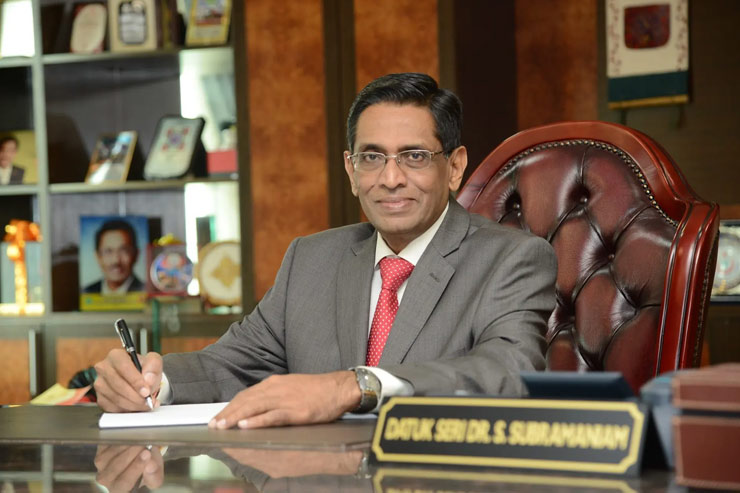
Tan Sri Dr. S. Subramaniam (2015–2018)
Tan Sri Dr. S. Subramaniam, MIC’s ninth President, championed the Malaysian Indian Blueprint, targeting socio-economic challenges in education and welfare.
Tan Sri Dr. S. Subramaniam served as the 9th President of the Malaysian Indian Congress (MIC) from June 2015 to July 2018, following a smooth transition from Datuk Seri G. Palanivel. A dedicated MIC member since 1968 from Melaka, he had a distinguished political career, including serving as Minister of Human Resources (2008–2013) and Minister of Health (2013–2018).
During his tenure as MIC President, Dr. Subramaniam championed the Malaysian Indian Blueprint, a comprehensive plan aligned with the 11th Malaysia Plan targeting socio-economic challenges faced by the Indian community, especially the B40 income group. The blueprint focused on education, housing, entrepreneurship, employment, and social welfare.
To implement these initiatives, he helped establish the Unit for the Socio-Economic Development of the Indian Community within the Prime Minister’s Department and launched grassroots campaigns such as MyDaftar and Mega MyDaftar to address documentation issues affecting many Indians.
Dr. Subramaniam also secured a RM500 million fund to support small Indian entrepreneurs and set up administrative bodies like the Special Implementation Task Force (SITF) and the Socioeconomic Development of Indian Community (SEDIC), now known as MITRA, to tackle education, welfare, and socio-economic challenges.
His ministerial experience and leadership strengthened ties between the MIC and the Malaysian government, leaving a lasting impact on employment, education, and welfare improvements for the Indian community.
In recognition of his outstanding contributions, the Government of India conferred upon him the Pravasi Bharatiya Samman Award (PBSA) in 2025, the highest honor for overseas Indians, acknowledging his dedication to public service and efforts to enhance India-Malaysia relations.
This summary reflects verified information and highlights Tan Sri Dr. S. Subramaniam’s leadership, initiatives, and recognition relevant for official or informational use.
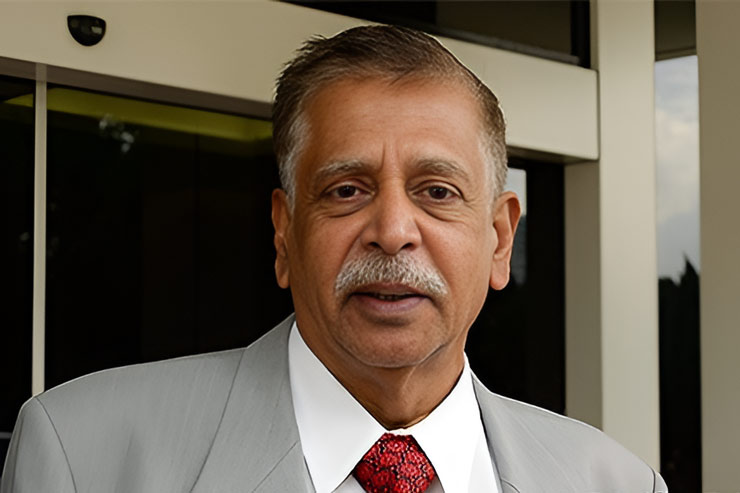
Datuk Seri G. Palanivel (2010–2014)
Revitalizing MIC, Advocating Socio-Economic Upliftment, and Championing Key Issues for the Indian Community.
Datuk Seri G. Palanivel (2010–2014) served as the eighth President of the Malaysian Indian Congress (MIC), leading the party during a challenging transitional phase following the 2008 general election setbacks. He assumed MIC’s presidency on 6 December 2010, succeeding Tun S. Samy Vellu in a smooth leadership transition. Born on 1 March 1949 in Penang, Palanivel had been an active MIC member since 1968, rising through grassroots ranks to national leadership.
Political Career and Roles
Before becoming MIC President, Palanivel held several government positions, including:
- Deputy Minister of Rural Development (1999–2004)
- Deputy Minister of Welfare and Family Development (2004–2008)
- Deputy Minister of Plantation Industries and Commodities (2010)
He was appointed Senator in May 2010 and elected Member of Parliament for Cameron Highlands in 2013. From May 2013 to July 2015, he served as Minister of Natural Resources and Environment.
Leadership of MIC (2010–2014)
Palanivel took charge when MIC was recovering from significant losses in the 2008 elections, which reduced Indian representation and ministerial posts in the Barisan Nasional coalition. His focus was on revitalizing the party and improving the socio-economic status of the Indian community. He advocated for a comprehensive Indian Community Redevelopment Plan, proposing substantial government investment to address education, entrepreneurship, and social welfare issues.
A notable stance during his presidency was his vocal opposition to the controversial 2013 unilateral conversion bill affecting minors, emphasizing the necessity of parental consent in religious conversions-a position that resonated widely within the Indian community.
Despite his efforts, internal party disputes emerged, and in June 2013, Palanivel was replaced by Tan Sri Dr. S. Subramaniam as MIC President.
Summary
Datuk Seri G. Palanivel’s presidency was marked by efforts to restore MIC’s political relevance and address pressing community concerns after electoral setbacks. His long-standing service in both party and government roles reflected his dedication to the Malaysian Indian community and the nation.
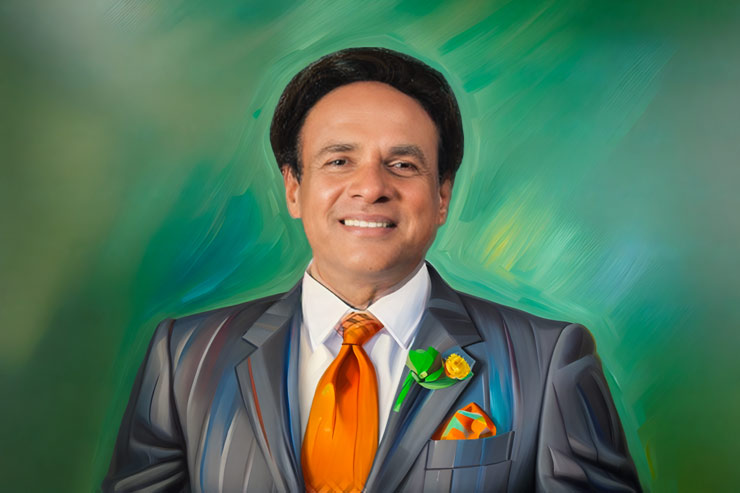
Tun S. Samy Vellu (1979–2010)
Tun S. Samy Vellu: Modernizing MIC, Driving Major Infrastructure, and Empowering the Indian Community Through Education and Economic Growth.
Tun S. Samy Vellu (1979–2010) was the longest-serving President of the Malaysian Indian Congress (MIC) and one of Malaysia’s most influential political leaders. His tenure spanned over three decades, during which he modernized the party and championed major national infrastructure projects, including the iconic Penang Bridge and the North-South Expressway. He also played a vital role in empowering the Indian community through education and economic initiatives.
Political and Ministerial Career
Samy Vellu began his political journey in 1959 by joining the Batu Caves MIC branch. Rising through the ranks, he became a Selangor MIC leader and was elected Member of Parliament for Sungai Siput in 1974, a seat he held for eight terms. He served in key ministerial roles:
- Deputy Minister of Local Government and Housing (1978–1979)
- Minister of Works (1979–1989; 1995–2008), where he led major infrastructure developments and pioneered highway privatization
- Minister of Energy, Telecommunications and Posts (1989–1995), overseeing Malaysia’s first satellite launch in 1995
Contributions to the Indian Community
As MIC President, Tun Samy Vellu significantly strengthened Indian representation within the Barisan Nasional coalition. He founded and expanded several important institutions:
- Maju Institute of Education Development (MIED) and TAFE College Seremban to provide affordable education and skills training
- Asian Institute of Medicine, Science and Technology (AIMST University), a leading private university
- Maika Holdings, Workers Housing Cooperative Society, Social Strategic Foundation (YSS), and Social Rehabilitation Foundation to promote economic empowerment and social welfare
He also worked closely with the Malaysia Hindu Sangam to address the shortage of qualified priests and secured permits for temple construction and renovation, supporting cultural and religious continuity.
Personal Traits and Leadership Style
Known for his charismatic oratory in Tamil and his close rapport with grassroots members, Samy Vellu was also a poet, stage actor, and former Tamil newsreader. His hands-on leadership style, often personally engaging with constituents, earned him deep loyalty and admiration.
Legacy
Tun Samy Vellu served under three Malaysian Prime Ministers-Tun Hussein Onn, Tun Dr. Mahathir Mohamad, and Tun Abdullah Badawi. He retired from Parliament in 2008 and stepped down as MIC President in 2010. He passed away on 15 September 2022 at the age of 86.
His legacy is marked by transformative infrastructure development, unwavering dedication to the Indian community’s advancement, and a lasting impact on Malaysia’s political and economic landscape.
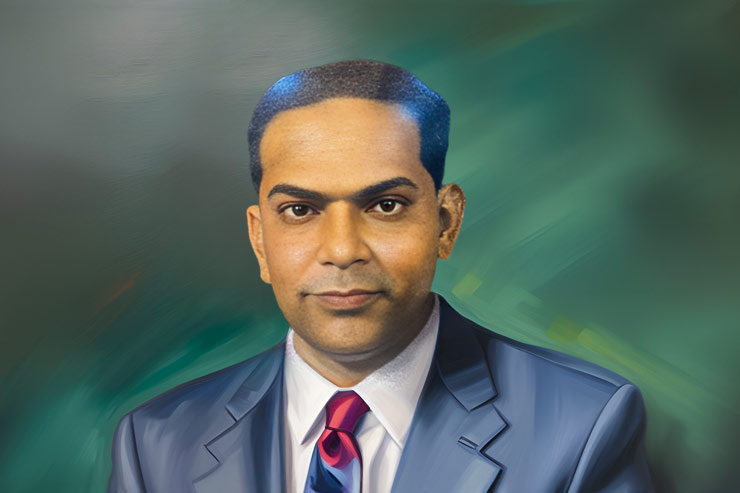
Tan Sri Manickavasagam (1973-1979)
Sixth President of the Malaysian Indian Congress
Tan Sri Dato’ V. Manickavasagam served as the sixth President of the Malaysian Indian Congress (MIC) from June 1973 until his passing in October 1979. His presidency marked a transformative era of organizational strengthening and economic empowerment for the Malaysian Indian community.
Strengthening Party Infrastructure
Tan Sri Manickavasagam placed the MIC on a strong foundation by modernizing its structure and establishing a prominent seven-story headquarters building in Kuala Lumpur. This development symbolized the party’s growing professionalism and capacity to address community issues effectively.
Economic Empowerment Initiatives
Under his leadership, the MIC launched several key programs to uplift the socio-economic status of Indian Malaysians:
- Nesa Multipurpose Cooperative and MIC Unit Trust encouraged community savings and investments.
- The MIC Education Fund and Malaysian Indian Scholarship Fund provided financial support for education at various levels.
- An institute dedicated to technical and trade training was established to improve the employability of Indian youth.
The Blue Book Development Plan
In 1974, Manickavasagam organized the First Indian Economic Seminar, which resulted in the creation of the Blue Book-a strategic blueprint for the economic advancement of the Malaysian Indian community. This collaborative effort among business, political, and educational leaders laid the groundwork for important institutions such as Maika Holdings and the Maju Institute of Education and Development (MIED).
Leadership Renewal
Recognizing the need for fresh leadership, Manickavasagam introduced young, educated leaders like S. Subramaniam and K. Pathmanaban into key party positions. This revitalization infused new energy into the MIC but also sparked internal rivalries, notably with S. Samy Vellu, who later succeeded him as president.
Coalition Politics
During his tenure, the MIC solidified its role within Malaysia’s ruling coalition, transitioning from the Alliance to the broader Barisan Nasional (BN), thereby enhancing its political influence nationally.
Legacy
Tan Sri Manickavasagam’s visionary leadership is commemorated through the naming of the MIC headquarters as Menara Manickavasagam in Kuala Lumpur and a residential area called Taman Manickavasagam in Semenyih. His focus on economic development, education, and organizational reform left a lasting impact on the Malaysian Indian community’s political and social progress during
the 1970s.
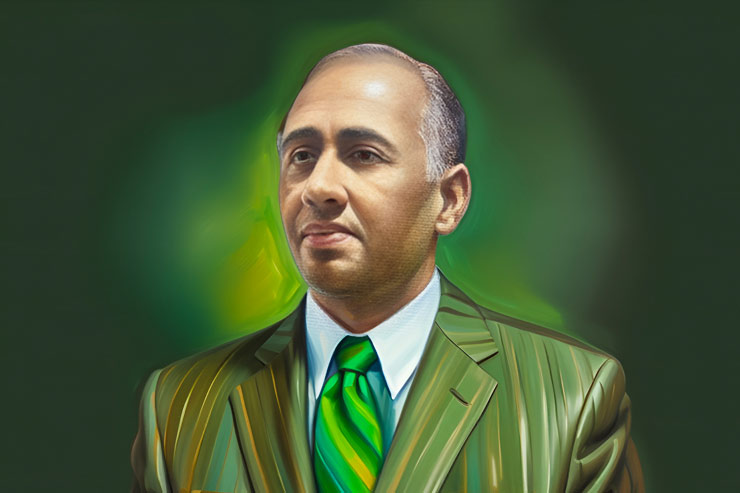
Tun V.T.Sambanthan (1955-1973)
Tun V.T. Sambanthan was one of the signatories of the MERDEKA Agreement. He can be rightly called one of the founding fathers of the nation.
Tun V.T. Sambanthan (1955–1973) was a pivotal figure in Malaysia’s journey to independence and nation-building, widely recognized as one of the country’s founding fathers alongside Tunku Abdul Rahman and Tun Tan Cheng Lock. Serving as the fifth President of the Malaysian Indian Congress (MIC), his leadership spanned from 1955 to 1973, a period marked by critical political transitions.
Key Contributions and Legacy
- Signatory of the Merdeka Agreement (1957):
Tun Sambanthan was one of the key signatories of the Merdeka Agreement, which officially granted Malaya independence from British colonial rule on 31 August 1957. He was part of the Malayan independence delegation to London, working closely with other leaders to
negotiate the country’s future. - Transforming the MIC:
Under his stewardship, the MIC evolved into a mass-based party that expanded its reach within the Indian community. He emphasized the promotion of Indian culture, religion, and language, particularly Tamil identity. Although this focus solidified cultural pride, it contributed to the party securing only about 7.4% of the national vote in the 1959 general election. - Strengthening the Alliance:
Sambanthan played a crucial role in consolidating the MIC’s position within the Alliance coalition alongside UMNO and MCA. This partnership was instrumental in maintaining ethnic cooperation and political stability in Malaya’s multi-ethnic society. - Socio-Economic Initiatives:
Deeply committed to uplifting the Indian working class, especially plantation workers, he helped establish the National Land Finance Co-operative Society (NLFCS). Demonstrating personal dedication, Sambanthan sold part of his family’s rubber estate to fund this cooperative, which acquired estates to help Indian workers gain land ownership and economic security. - Ministerial Roles:
He served in several important cabinet positions:- Minister of Labour (1955–1957)
- Minister of Health (1957–1959)
- Minister of Works, Posts and Telecommunications (1959–1971)
- Minister of National Unity (1972–1974)
As Minister of National Unity, he played a key role in easing ethnic tensions after the May 13, 1969 riots, including facilitating the lifting of the ban on the Chinese lion dance, symbolizing respect for cultural diversity.
- Close Relationship with Tunku Abdul Rahman:
His strong working relationship and personal bond with Tunku Abdul Rahman helped secure Indian representation and influence within the government. - Political Transition:
In the early 1970s, amid rising pressures for Malay political dominance and internal party criticism, Sambanthan stepped down in 1973. He was succeeded by V. Manickavasagam. Notably, Sambanthan briefly served as Malaysia’s Acting Prime Minister for 10 days in August 1973, underscoring his stature in national politics.
Legacy
Tun V.T. Sambanthan’s leadership was instrumental in shaping Malaysia’s early political framework, fostering national unity, and championing the socio-economic advancement of the Indian community. His enduring legacy as a founding father is commemorated in places such as Jalan Tun Sambanthan and the Tun Sambanthan station in Kuala Lumpur, reminding Malaysians of his dedication to racial harmony and nation-building.
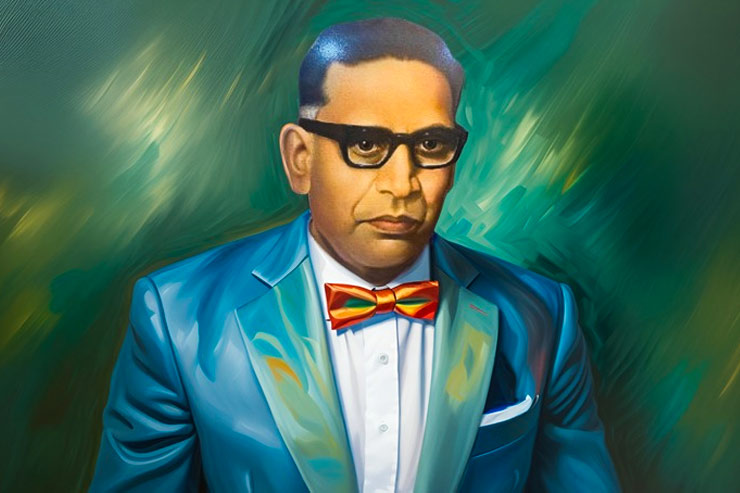
Mr.K.L.Devaser (1951-1955)
Fourth President of the Malaysian Indian Congress
Mr. K.L. Devaser served as the fourth President of the Malaysian Indian Congress (MIC) from 1951 to 1955. His tenure marked a pivotal turning point in the party’s history, most notably with the MIC joining the Alliance coalition in 1954 alongside the United Malays National Organisation (UMNO) and the Malaysian Chinese Association (MCA).
Key Developments During His Presidency
- Joining the Alliance (1954):
After the MIC’s defeat in the 1952 Kuala Lumpur Municipal Elections, where it contested in alliance with Dato’ Onn Jaafar’s Independence of Malaya Party (IMP), Mr. Devaser and the MIC leadership recognized that non-communal politics were ineffective in Malaya’s political landscape. Consequently, the MIC joined the Alliance coalition as its third partner, aiming to
better represent Indian interests by collaborating with dominant Malay and Chinese political parties. This strategic move laid the foundation for the MIC’s long-term political influence. - Internal Party Challenges:
Despite leadership support for joining the Alliance, there was resistance from grassroots Indian members, particularly concerning education and language issues. Mr. Devaser faced criticism from Tamil media outlets for not adequately addressing the pressing concerns of the broader Indian community. His influence was largely among the urban Indian elite, and he struggled to gain widespread grassroots support. - Shift in Political Strategy:
The decision to join the Alliance marked a significant shift from the MIC’s original non-communal ideals to a communal partnership approach. This realignment enabled the party to participate more effectively in national politics and the movement toward Malayan
independence. - Leadership Transition:
Due to internal dissatisfaction and limited grassroots backing, Mr. Devaser stepped down in 1955. He was succeeded by Tun V.T. Sambanthan, who expanded the party’s membership and strengthened its role within the Alliance.
Summary
Mr. K.L. Devaser’s presidency was a critical phase in the MIC’s evolution, guiding the party from its early non-communal stance into a strategic alliance with UMNO and MCA. While facing internal challenges, his leadership helped position the MIC as a major political force in the lead-up to Malaya’s independence and shaped its future trajectory within Malaysia’s multi-ethnic political
framework.
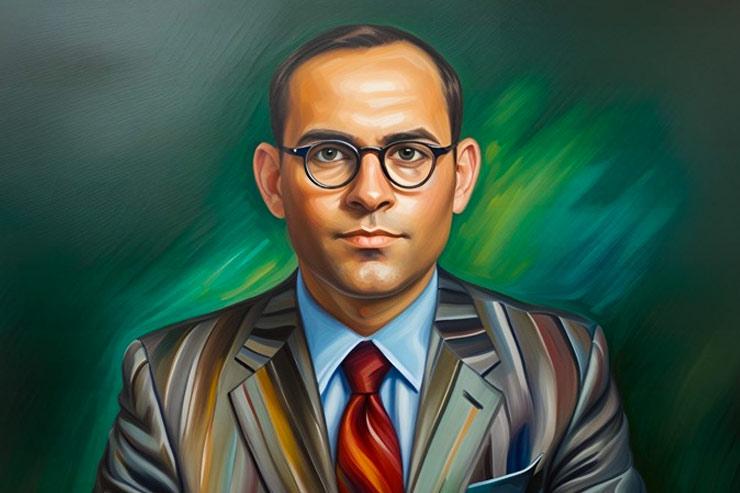
Mr. K.Ramanathan (1950-1951)
Third President of the Malaysian Indian Congress
Mr. K. Ramanathan served as the third President of the Malaysian Indian Congress (MIC) from 1950 to 1951. Though his tenure was brief, it came at a critical time when the MIC was solidifying its position as the leading political voice for the Indian community in Malaya.
Key Contributions and Initiatives
- Citizenship Advocacy: Ramanathan strongly advocated for the relaxation of the language proficiency test required for Indians seeking Malayan federal citizenship. Understanding the importance of citizenship for political participation, he encouraged the Indian community to actively pursue local citizenship rather than retain Indian nationality.
- Non-Communal Policy: He upheld the MIC’s founding principle of non-communalism, emphasizing unity and cooperation across ethnic lines instead of promoting ethnic exclusivity.
- Electoral Participation: Under his leadership, the MIC contested the 1952 Kuala Lumpur Municipal Elections in alliance with the Independence of Malaya Party (IMP), led by Dato’ Onn Jaafar, and other non-communal groups. Although the coalition was defeated, the experience highlighted the need for broader alliances.
- Path Toward Alliances: The 1952 electoral loss under Ramanathan’s presidency underscored the importance of multi-ethnic coalitions. This realization paved the way for the MIC’s eventual entry into the Alliance coalition with UMNO and MCA in 1954, a strategic move that strengthened Indian political representation.
Summary
Despite serving only a short term, Mr. K. Ramanathan played a pivotal transitional role by encouraging citizenship acquisition, maintaining the party’s non-communal identity, and setting the stage for the MIC’s future success through multi-ethnic political alliances. His leadership helped shape the MIC’s evolution into a key player in Malaya’s national politics.
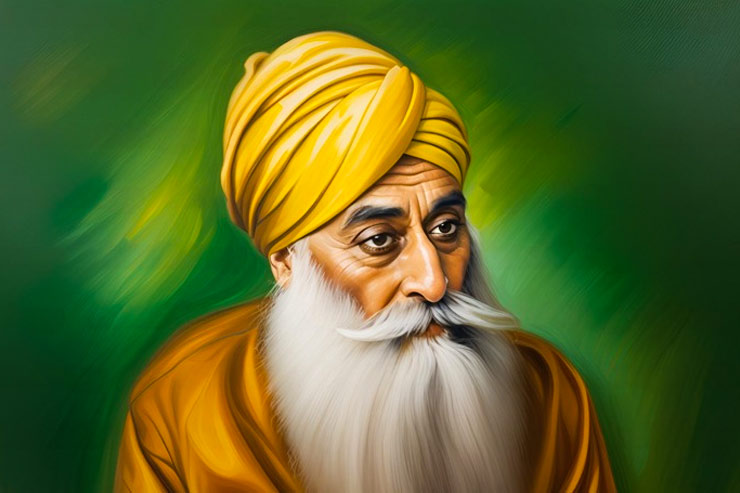
Mr. Sardar Budh Singh (1947-1950)
Second President of the Malaysian Indian Congress
Mr. Sardar Budh Singh succeeded John Aloysius Thivy as the second President of the Malaysian Indian Congress (MIC), serving from 4 August 1947 to 29 April 1950. Like his predecessor, he upheld a strong anti-British and anti-colonial stance during a turbulent period marked by the British proposal of the Malayan Union in 1946.
Leadership and Contributions
- Anti-Malayan Union Position: Under Budh Singh’s leadership, the MIC opposed the Malayan Union despite its offer of equal citizenship rights based on birthright (jus soli). Many Indian leaders preferred to retain their Indian citizenship, leading to a divided stance within the community.
- Community Engagement: Prior to his presidency, Budh Singh was deeply involved in the Sikh community, serving as President of the Gurdhwara Central Workshops (now Sentul Sikh Temple) from 1938 to 1945. He also initiated a school in Sentul to promote English and Punjabi, completed in 1953.
- Internal Challenges: His tenure faced internal divisions over citizenship and political strategy. While he encouraged cooperation with other ethnic groups, his leadership style was sometimes criticized as weak and authoritarian.
- Party Restructuring: In 1949, Budh Singh and the MIC leadership drafted a new party constitution to modernize the MIC and better represent Indian interests. However, this effort met resistance from various branches, including the Singapore Regional Indian Congress.
- Community Inclusion Efforts: The MIC under his presidency sought to include Ceylonese and Pakistani Indians, though differing community interests limited full integration.
- Political Engagement: The MIC initially boycotted the 1948 Federation of Malaya Constitution due to concerns over exclusion from consultations and citizenship issues but later ended the boycott to re-engage politically.
- Rivalries and Consolidation: The MIC faced competition from other Indian organizations like the Malayan Indian Association (MIA) and the Federation of Indian Organisations (FIO). Despite this, the MIC consolidated its position as the main political representative of the Indian community by 1950.
Summary of Key Initiatives
- Maintained strong anti-British and anti-colonial sentiment
- Promoted inter-ethnic cooperation and political engagement
- Attempted party modernization and restructuring
- Managed complex citizenship issues within the Indian community
- Re-engaged with the Malayan government after initial boycott
Mr. Sardar Budh Singh’s presidency was a transitional period that balanced loyalty to India with the emerging political realities in Malaya, laying important groundwork for the MIC’s future role as the voice of Malaysian Indians.
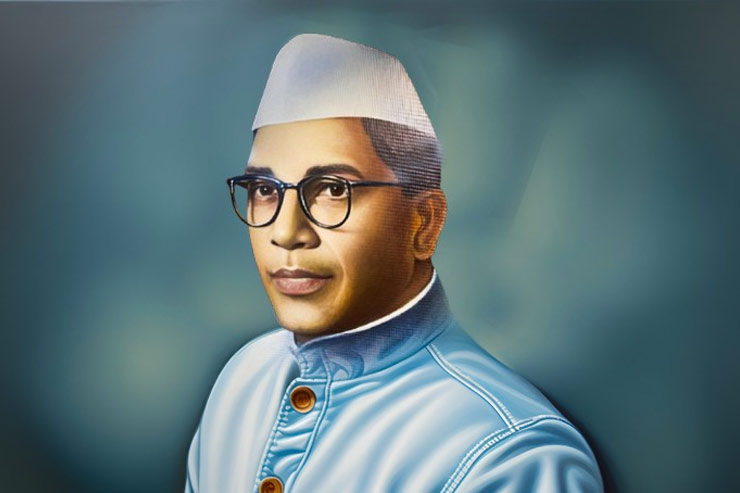
Mr. John Aloysius Thivy (1946–1947)
Founding President of the Malaysian Indian Congress
Mr. John Aloysius Thivy was the visionary founder and first President of the Malaysian Indian Congress (MIC), established in August 1946. He came from a distinguished family; his father, Louis Thivy, was the first Indian appointed to the Perak State Council in 1929.
A lawyer by training, John Thivy studied in London where he was deeply inspired by Mahatma Gandhi and the Indian independence movement. Returning to Malaya in 1932, he became actively involved in Indian nationalist activities. During World War II, Thivy joined the Indian National Army (INA) and participated in the Burmese campaigns under Subhas Chandra Bose’s leadership. After the war, he was briefly imprisoned by the British for his anti-colonial activities.
Thivy founded the MIC to support India’s struggle for independence. Reflecting the ideals of the Indian National Congress, the MIC’s early objectives under his leadership included:
- Advocating for freedom and democracy
- Promoting inter-racial harmony
- Ensuring prosperity and stability
- Securing the rights and interests of the Indian community in Malaya
While some labour unions opposed the MIC’s formation of a labour department, Thivy emphasized that the party was focused on the broader advancement of the Indian community and was not against trade unions.
Aware of the constitutional changes underway in Malaya, Thivy worked to prepare the Indian community for new citizenship laws, assuring support from the Indian government. He also encouraged unity among Indian subgroups, including the Ceylonese community, though this call faced cultural resistance.
After India gained independence in 1947, Thivy was appointed by Prime Minister Jawaharlal Nehru as India’s first official representative to Southeast Asia in 1948. He later served as India’s ambassador to Italy and the Vatican, which marked the end of his tenure as MIC President.
Key Initiatives under Mr. John Thivy’s Leadership
- Championing Indian independence and nationalist ideals
- Protecting and advancing the Indian community’s interests in Malaya
- Promoting multi-ethnic cooperation and harmony
- Raising awareness about citizenship and constitutional rights
- Encouraging unity among diverse Indian subgroups
- Establishing a strong, non-communal political foundation for the MIC
Mr. John Aloysius Thivy’s leadership laid the essential groundwork for the MIC’s evolution into a national political voice for Indians in Malaya, setting the stage for its enduring role in Malaysia’s political landscape.